Patient data moves across electronic health record systems, patient portals, web and mobile applications, APIs, cloud storage, and third-party services. A weakness in any of these systems can expose information the organization is responsible for protecting. But identifying known vulnerabilities is only part of the job. Healthcare security teams also need to understand how a vulnerability behaves in the real environment, what an attacker could access, and which findings require attention first. Vulnerability Assessment and Penetration Testing, combined with a cloud security assessment where patient data is hosted in the cloud, helps answer these questions. This article looks at how to turn those findings into decisions by ranking weaknesses based on what they could put at risk and extending that assessment to the cloud.
1. Testing tied to where patient data lives
The goal is not to produce the longest list of vulnerabilities. It is to identify the weaknesses that could have real consequences for the systems and data being protected. The same vulnerability can carry very different levels of risk depending on where it exists. An authentication weakness on an internet-facing patient portal is different from one on an isolated internal tool. Likewise, a misconfigured storage bucket containing patient records presents a different risk from an exposed service with no sensitive data behind it.
NIST's guidance on the HIPAA Security Rule emphasizes protecting electronic health information from reasonably anticipated threats and managing security risks within the organization's environment. This means testing needs to consider the systems that actually handle patient data, including web applications, APIs, cloud environments, internal networks, and third-party integrations. Scoping the assessment around these systems helps put each finding in the context of the data and access it could affect.
2. What each half of VAPT contributes
VAPT combines two activities that answer different questions. A vulnerability assessment identifies weaknesses such as outdated software, misconfigured services, weak authentication, and vulnerable APIs. Penetration testing goes a step further by testing whether those weaknesses can actually be exploited within the agreed scope and what access an attacker could gain.
This distinction matters because a scanner can flag a vulnerability as potentially exploitable without showing whether it is reachable in the actual environment or whether other controls limit its impact. HHS's healthcare cybersecurity performance goals call for both cybersecurity testing and action on prioritized vulnerabilities identified through testing. Neither activity guarantees security or compliance on its own. Together, they provide a clearer picture of which weaknesses are real, exploitable, and worth addressing first.
3. Ranking findings by what they put at risk
Not every vulnerability carries the same level of risk, especially in healthcare. A critical flaw on an isolated system may require less immediate attention than a medium-severity flaw on an application connected to patient records. A healthcare-focused assessment considers where the vulnerability exists, what data the system handles, whether it is remotely accessible, and what level of access exploitation could provide.
For example, a weakness in an internet-facing patient portal or a cloud misconfiguration exposing patient records should take priority over an outdated development system with no access to sensitive data. Prioritizing findings based on the actual environment, rather than severity scores alone, gives security teams a clearer basis for remediation.
4. Extending the view to the cloud, and closing the loop
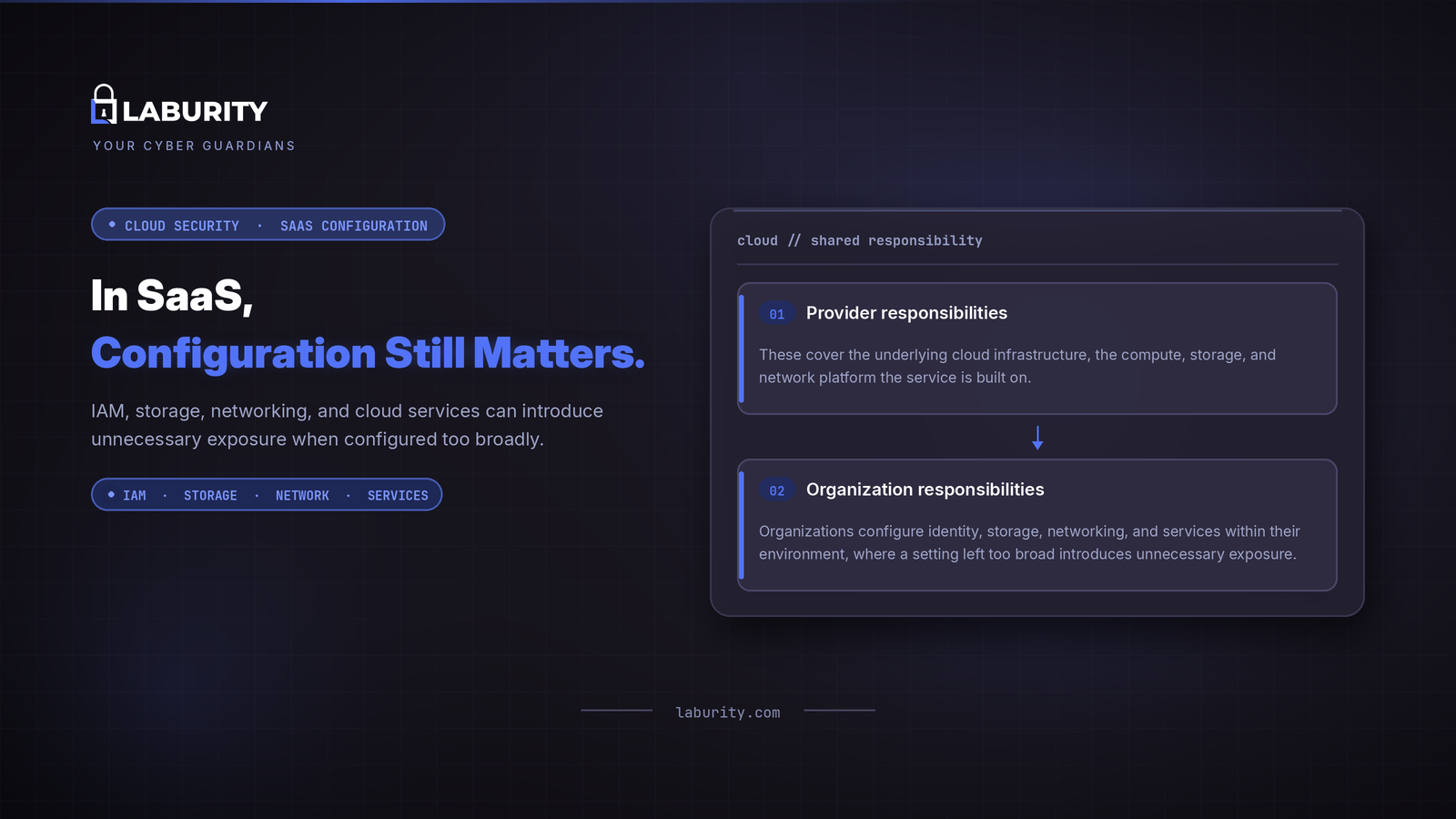
When patient data is hosted in the cloud, a cloud security assessment can examine configurations and controls that application testing may not cover. This includes identity and access management, storage permissions, network exposure, firewall rules, privileged accounts, and logging. HHS healthcare cybersecurity goals also emphasize configuration management and asset inventory because knowing what systems and resources exist is a basic part of protecting them.
The focus should not be whether the cloud is secure in general, but whether the organization's configuration and access controls adequately protect its data. The process should then move from finding to action: identify the weakness, validate its exploitability, assess its exposure and data sensitivity, remediate it, and retest. Knowing which systems hold patient data, which are internet-facing, and which accounts have privileged access helps keep testing focused on meaningful risks rather than simply generating more findings.
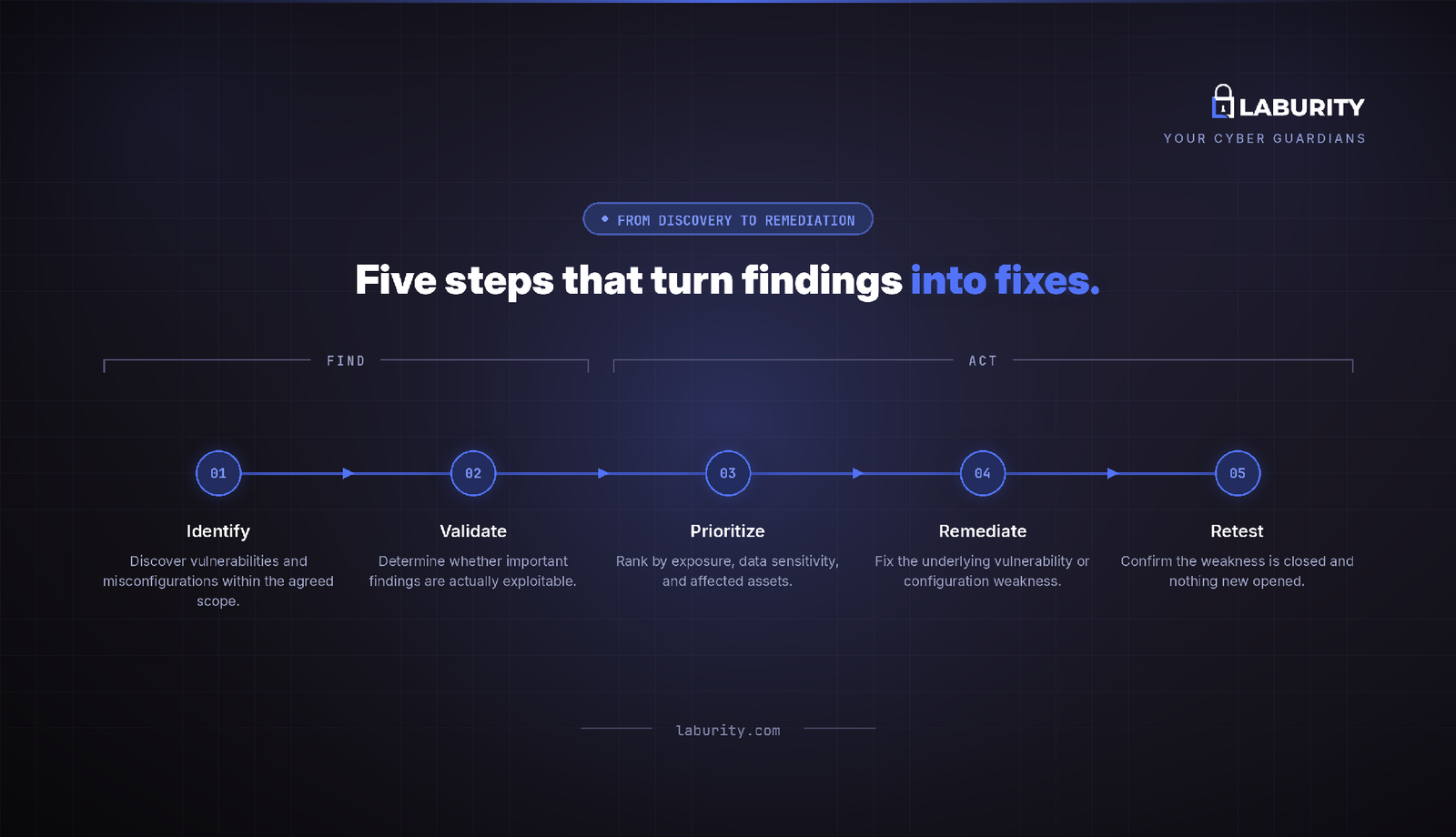
Protecting patient data starts with understanding the weaknesses affecting the systems that handle it. VAPT helps identify vulnerabilities, validate which ones are exploitable, assess their impact, and prioritize remediation. A cloud security assessment extends that review to cloud configurations and controls. The goal is not simply to find more vulnerabilities, but to understand which ones matter, why they matter, and what should be addressed first.
If you want to assess your organization's exposure and understand where security weaknesses may require attention, book a consultation with our team or explore our services.