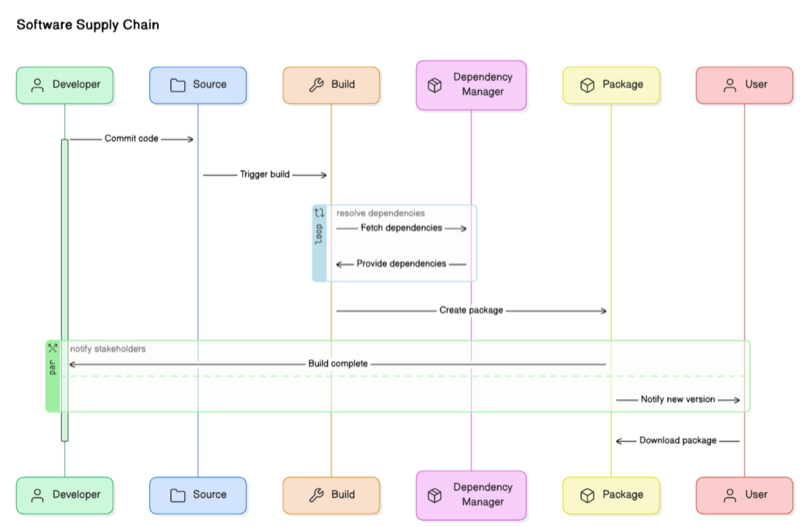
Developers have quietly become one of the most valuable targets in cybercrime. A single engineer’s laptop often holds the keys to everything that matters: source code, cloud access keys, browser sessions, and the tokens that push code straight into production. Attackers know this, so instead of hammering hardened perimeters, they go after the people who build the software and trust the tools they download. The rise of AI coding assistants has handed them a perfect disguise, because developers now install new AI utilities and clone unfamiliar repositories every week without thinking twice. That habit is exactly what a new campaign is built to exploit, and it lands hardest on technology firms, financial services, and banking, where a compromised developer can quietly become an entry point into the software supply chain.
Fake AI Tools, Real Credential Theft
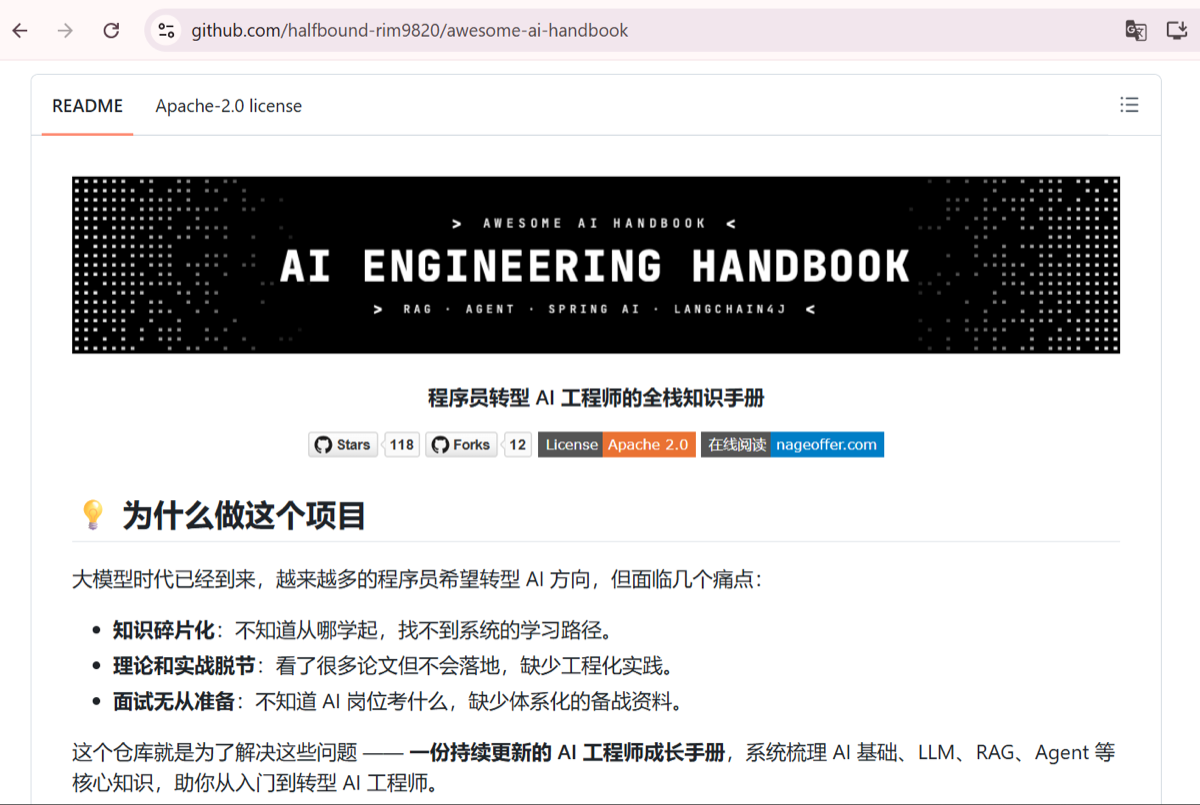
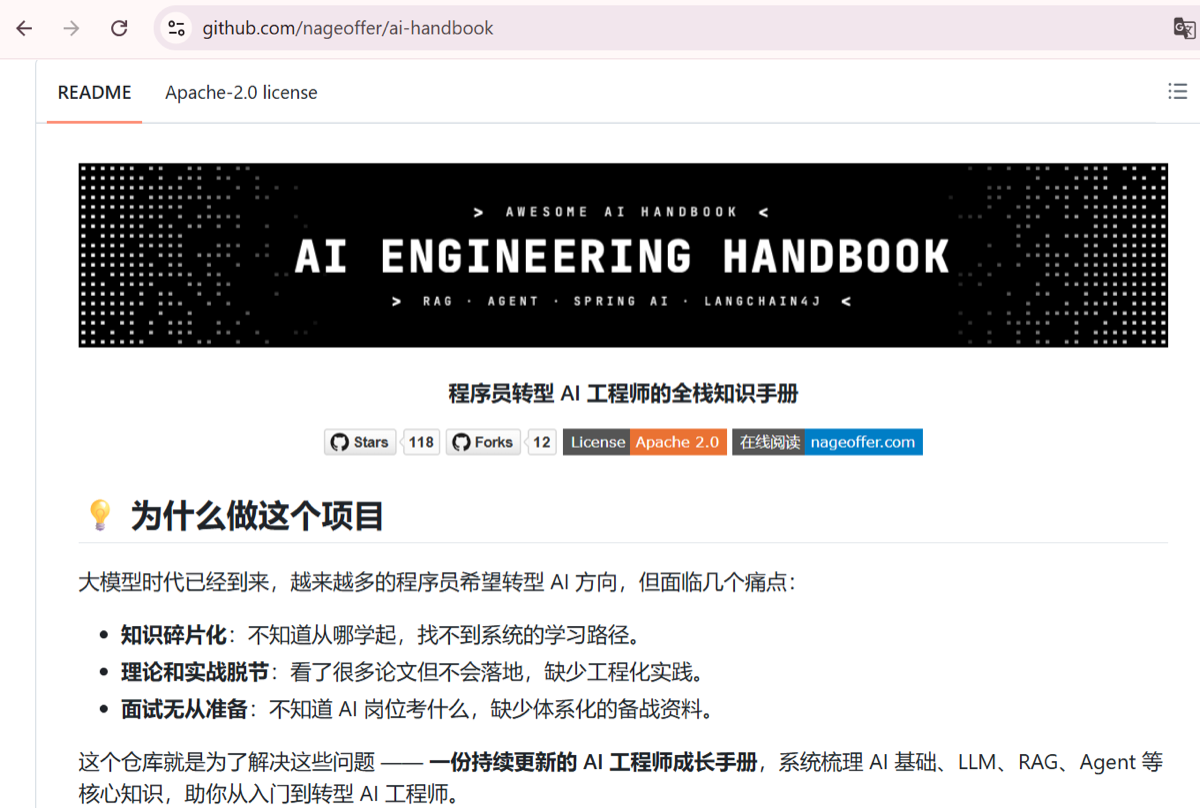
Netskope Threat Labs has documented an active campaign it tracks as “TroyDen’s Lure Factory,” running under an operation nicknamed the “OpenClaw Trap.” The operators mass-produce counterfeit AI tools and cloned GitHub repositories that impersonate legitimate projects, including AI assistant integrations, popular developer utilities, and deployment tooling. To a busy engineer searching for a shortcut, these repositories look real, complete with polished descriptions and convincing file structures.
The mechanics are what make it dangerous. When a victim downloads and runs one of the trojanized packages, a small loader executes a malicious script that is disguised as a harmless text or license file and runs through a bundled interpreter that ships inside the same archive. Heavy obfuscation and sandbox-evasion tricks, including absurdly long sleep timers meant to outlast automated analysis, help the code slip past static detection. Once running, the loader quietly profiles the machine, captures screenshots and location data, then reaches back out to attacker-controlled accounts to pull down the real payload: an information stealer.
That final payload is built to harvest what developers keep close, including stored credentials, browser-saved secrets, cloud access keys, and tokens tied to build and deployment pipelines. Netskope identified more than 300 delivery packages linked to the campaign’s infrastructure, and the operators designed their command-and-control setup to rotate quickly, so taking down one address does little to slow them. Netskope notes the campaign remains active and evolving, with victims concentrated across North America, Asia, and Southern Europe.
What a Breach Like This Costs
The damage does not stop when the stealer finishes running. The moment a developer’s credentials leave the building, the affected organization inherits a long and expensive cleanup, and much of it happens under time pressure.
The first problem is scope. Security teams rarely know exactly which secrets were on the machine, so they have to assume the worst and rotate everything: cloud keys, API tokens, signing certificates, and pipeline credentials. Every rotation risks breaking a live service, so the work is slow and nerve-wracking. While that happens, incident responders have to reconstruct what the attacker touched, which pulls senior engineers off their normal work for days or weeks. For teams that have never priced out an incident, this is where the value of proactive testing pays for itself becomes painfully clear.
Then come the obligations. If customer data or regulated information sat behind those stolen credentials, the company may owe breach notifications to regulators and affected users, and it may need to brief law enforcement. Contracts with enterprise customers often carry their own disclosure clauses, so a single stolen token can trigger a cascade of uncomfortable conversations. Underneath all of it sits the reputational hit, because “our developer downloaded fake software and it cost you your data” is a story no vendor wants to tell. Worse, stolen credentials rarely stay with the original thief. They are packaged and resold on criminal markets, which means the same access can be used months later by a completely different group.
Why This Keeps Happening
This campaign works because it targets weak points that most software and finance organizations share. A few of the biggest:
- Developer machines are high-trust and under-monitored. Engineers need broad access to do their jobs, but their laptops often have far less scrutiny than a production server.
- Downloading unknown code is a daily habit. Cloning a repository or installing a package is routine, and AI tooling has multiplied the number of unfamiliar sources people trust.
- Secrets are scattered and long-lived. Cloud keys and pipeline tokens end up saved in config files, environment variables, and browsers, and many are rarely rotated.
- A single stolen token can unlock the cloud. The APIs and pipelines those keys unlock are often reachable from anywhere, so one credential can turn into full access without tripping an alarm.
- Detection assumes malware looks like malware. Loaders hidden inside ordinary-looking files and interpreters defeat tools that only watch for known-bad executables.
How Laburity Helps
Preventing an incident like this is not about telling developers to be more careful. It is about proving, in advance, exactly how far a stolen developer credential would actually get an attacker inside your environment, and closing those paths before someone else finds them. That is what Laburity’s Red Teaming service is built to do.
Rather than scanning for isolated vulnerabilities, a Laburity red team simulates the real attack you just read about. Our operators model the same moves a criminal crew would make, starting from an assumed-breach foothold on a developer workstation, then testing whether stolen credentials, cloud keys, and pipeline tokens would let an attacker move laterally, escalate privileges, and reach the data and systems that matter most. We also test the human layer through social engineering, because the lure is where these campaigns begin. The result is a clear, evidence-backed picture of your true exposure, not a list of theoretical weaknesses.
Because credential theft rarely travels alone, red teaming works best alongside a hardened build pipeline and continuous visibility into where your secrets end up. Laburity’s Secure Code Analysis examines your codebase and its open-source dependencies for the supply-chain weaknesses these campaigns abuse, while our dark and deep web monitoring watches criminal markets and channels for your leaked credentials, so exposed access is caught and revoked before it is used against you.
The Laburity Approach
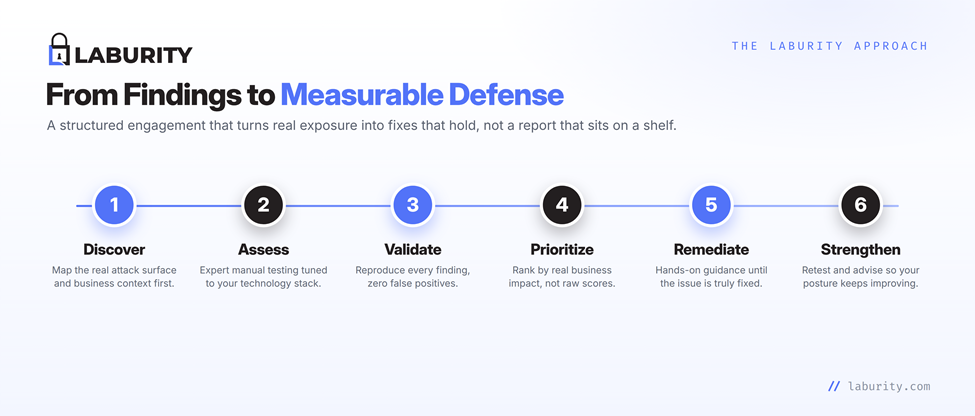
Every Laburity engagement follows a structured path designed to turn findings into measurable improvement, not just a report that sits on a shelf. We begin by working to Discover your real attack surface and business context before any testing starts, so the exercise reflects how your organization actually operates. From there we Assess, combining expert manual testing with tooling tuned to your specific technology stack. Every finding is then put through Validate, where we reproduce each issue to eliminate false positives, so you only spend time on what is real. Next we Prioritize, ranking risks by genuine business impact rather than raw severity scores, and we support your team through Remediate with hands-on guidance until the issues are actually fixed. Finally we Strengthen, retesting and advising so your security posture measurably improves and stays that way.
If you want to know how exposed your developer environment really is, we can help you find out before an attacker does. You can book a consultation with our team, email us at [email protected], or explore everything Laburity offers.